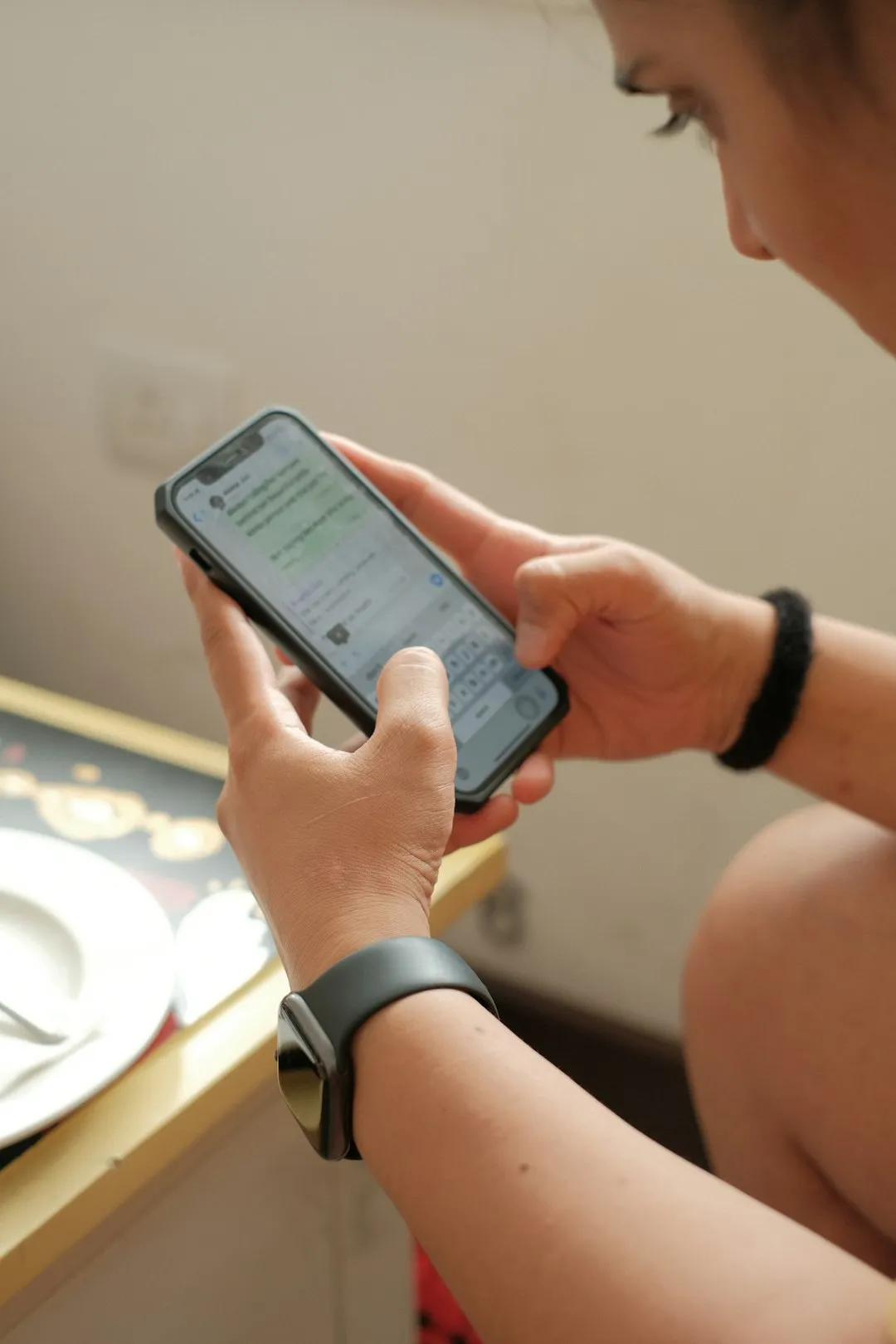
WhatsApp for Education Centres: Best Practices for Parent Communication in Singapore and Hong Kong
In Singapore and Hong Kong, email is where messages go to be ignored. WhatsApp is where parents actually read and reply, often within minutes.
For education centres, that's both an opportunity and a risk. Used well, WhatsApp makes communication faster, warmer and more reliable. Used badly, it becomes a source of noise, privacy problems and staff burnout.
Here's how to get it right.
1. Use a business account, not a personal phone
Many centres start with the owner's or a teacher's personal number. It works at first, then becomes a problem: messages mix with personal life, nobody else can see the conversations, and when that person leaves, the history leaves with them.
A WhatsApp Business account on a dedicated centre number solves most of this. It lets you set a business profile with your address and hours, use quick replies for common questions, label conversations, and set an away message for out-of-hours enquiries. For larger centres, connecting WhatsApp to a shared inbox means several team members can respond from one number.
2. Be careful with group chats
Class group chats are popular, but they come with real downsides:
- Every parent's phone number is visible to every other parent
- Messages get buried under replies, emojis and unrelated questions
- One frustrated parent can turn a group into a public complaint
For announcements, consider sending individual messages or using broadcast-style messages instead, where each parent receives the message privately. Keep group chats for situations where parents genuinely benefit from talking to each other, and set clear guidelines when you create them.
3. Get consent and respect privacy rules
Both Singapore and Hong Kong have personal data protection laws that apply to how you collect and use parents' contact details, and both have specific rules around marketing messages. As a general principle:
- Ask for permission to contact parents on WhatsApp, ideally at enrolment
- Be clear about what you'll send: class updates, progress reports, offers
- Make it easy to opt out of promotional messages
- Keep contact details secure and limit who can access them
The rules differ between markets and between service messages and marketing, so it's worth checking the current requirements for your situation, or asking an adviser.
4. Separate service from promotion
Parents welcome messages that help them: class reminders, schedule changes, progress updates, answers to their questions. They're much less patient with frequent promotions.
A good rule of thumb: most of your messages should be useful to the family, not just to the centre. When you do send an offer, such as re-enrolment or a holiday programme, make it relevant to their child and keep it short.
5. Respect family time
WhatsApp feels personal, which means timing matters. Avoid sending non-urgent messages late in the evening, early in the morning, or during family weekends, unless it's a reply to something the parent just sent.
Scheduling messages for sensible hours is easy and shows respect.
6. Set clear response expectations
Because WhatsApp is instant, parents often expect instant replies. That's not realistic during class time or after hours, and trying to meet it burns out staff.
- Share your response hours in your business profile and welcome message
- Use an away message that's genuinely helpful, with key information and a booking link
- For common questions, quick replies or an AI assistant can respond immediately, with a person following up when needed
7. Write like a person, but stay professional
WhatsApp invites a casual tone, and a friendly message builds connection. But remember you're representing your centre:
- Use the parent's and child's names
- Keep messages short and clear, one topic per message
- Avoid slang and excessive emojis
- In Hong Kong, consider whether families prefer English, Chinese or both
8. Don't let important information live only in chats
WhatsApp is great for conversation, but poor as a record. Agreements about schedules, fees, make-up classes or concerns raised by parents should also be logged somewhere your team can find them.
If WhatsApp is connected to your main system, this happens automatically. If not, a simple habit of noting key points in the student's record avoids "but I told you on WhatsApp" moments.
What this looks like in practice
In our work with a Hong Kong tutoring centre, a short WhatsApp sequence after each family's progress report, presenting next term's offer and sending gentle reminders, helped bring between-term student losses down to 18%. It worked because it was personal, useful and sent at the right time, on the channel parents actually read.
Want help setting up WhatsApp communication that's professional and manageable? Book a free 30-minute Centre Health Check.
